


Field
Mountain medicine
Mountain Medicine is an interdisciplinary field addressing the physiology, pathologies and health risks arising from exposure to high altitudes — above approximately 2,500 m (8,200 ft). It covers acclimatisation, altitude illnesses, extreme-environment injuries, frostbite, hypothermia and medical support of mountaineering and trekking expeditions.
It is an internationally recognised field developed, among others, within the UIAA Mountain Medicine Society, ISMM (International Society for Mountain Medicine), and the Canadian Society of Mountain Medicine.
Expedition doctor
Role on an expedition
An expedition doctor accompanies participants of high-altitude expeditions, providing medical support in conditions of limited access to hospital infrastructure. Scope of responsibility:
- Assessing participants’ health before and during the expedition
- Prevention and treatment of altitude sickness (AMS, HACE, HAPE)
- Management of injuries, wounds, frostbite and hypothermia
- Decisions on descent or medical evacuation
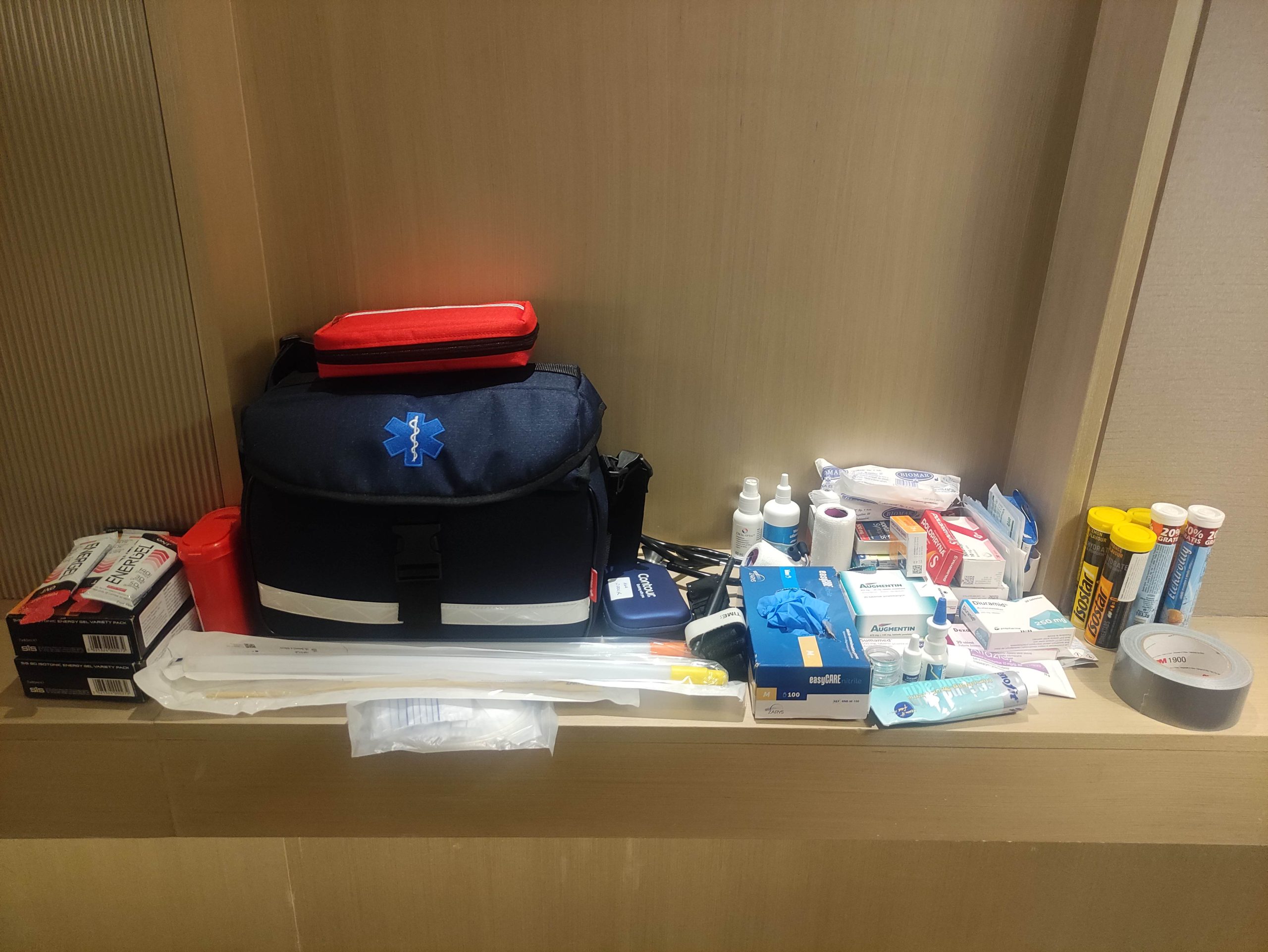
- Managing the expedition medical kit
- Coordination with mountain rescue centres
- Educating participants on health and safety
Medical areas
Key topics
Acute Mountain Sickness (AMS)
A mild form affecting up to 30% of people above 2,500 m. Symptoms include headache, nausea and insomnia.
High-Altitude Pulmonary Edema (HAPE)
A potentially fatal condition, typically above 2,500 m. Requires immediate descent and medical treatment.
High-Altitude Cerebral Edema (HACE)
The most severe form of altitude sickness. A direct, life-threatening emergency.
Acclimatisation
The body’s adaptation to reduced partial oxygen pressure. A process that determines the success and safety of expeditions.
Cold injuries
Frostbite, hypothermia, sunburns and snow blindness.
Expedition medical kit
Medication and supplies tailored to the type, duration and exposure of the expedition.
Practice scope
What I do
I hold a Diploma in Mountain Medicine (Canadian Society of Mountain Medicine) and a postgraduate degree in Extreme and Travel Medicine from the Jagiellonian University. In 2022 I served as an expedition doctor for Elite Exped on Everest, Lhotse and Lobuche East Peak, spending two months in the Himalayas.
Within my medical practice I offer consultations on:
- Individual health risk assessment before high-altitude expeditions
- Altitude sickness prevention strategies and acclimatisation plans
- Assembling the expedition medical kit
- Preparation for expeditions for people with chronic conditions
- Medical support during expeditions
I also deliver lectures and talks on mountain medicine at mountain film festivals, medical conferences and for medical students.
Contact: medycynagorskapl@gmail.com
Articles
From this category
Acetazolamide — Mechanism of Action and Carbonic Anhydrase
How exactly does acetazolamide (Diamox/Diuramid) work? Carbonic anhydrase inhibition, metabolic acidosis, pharmacokinetics, side effects and interactions — a mountain medicine primer.
Frostbite — 4 Degrees, Symptoms & First Aid
Frostbite is one of the most common injuries mountain medicine deals with — and at the same time one of the easiest…

High Altitude Cerebral Edema (HACE): Understanding the Most Dangerous Form of Altitude Sickness
High Altitude Cerebral Edema (HACE) is the most perilous and advanced manifestation of altitude sickness. While its exact mechanism is not fully…

Acute Mountain Sickness – Symptoms, Prevention, and Practical Insights for Mountain Trekkers
Acute Mountain Sickness (AMS) is a frequently observed condition that tends to be mild and self-limiting, affecting those exploring mountainous regions. However,…

Understanding and Managing High Altitude Pulmonary Edema (HAPE) during Mountain Travel
High Altitude Pulmonary Edema (HAPE) is a potentially life-threatening condition that can occur when ascending to high altitudes, typically above 2,500 meters…

What is altitude sickness?
Altitude sickness is an illness that can develop in people who travel or stay at altitudes above 2 500 m. It can…
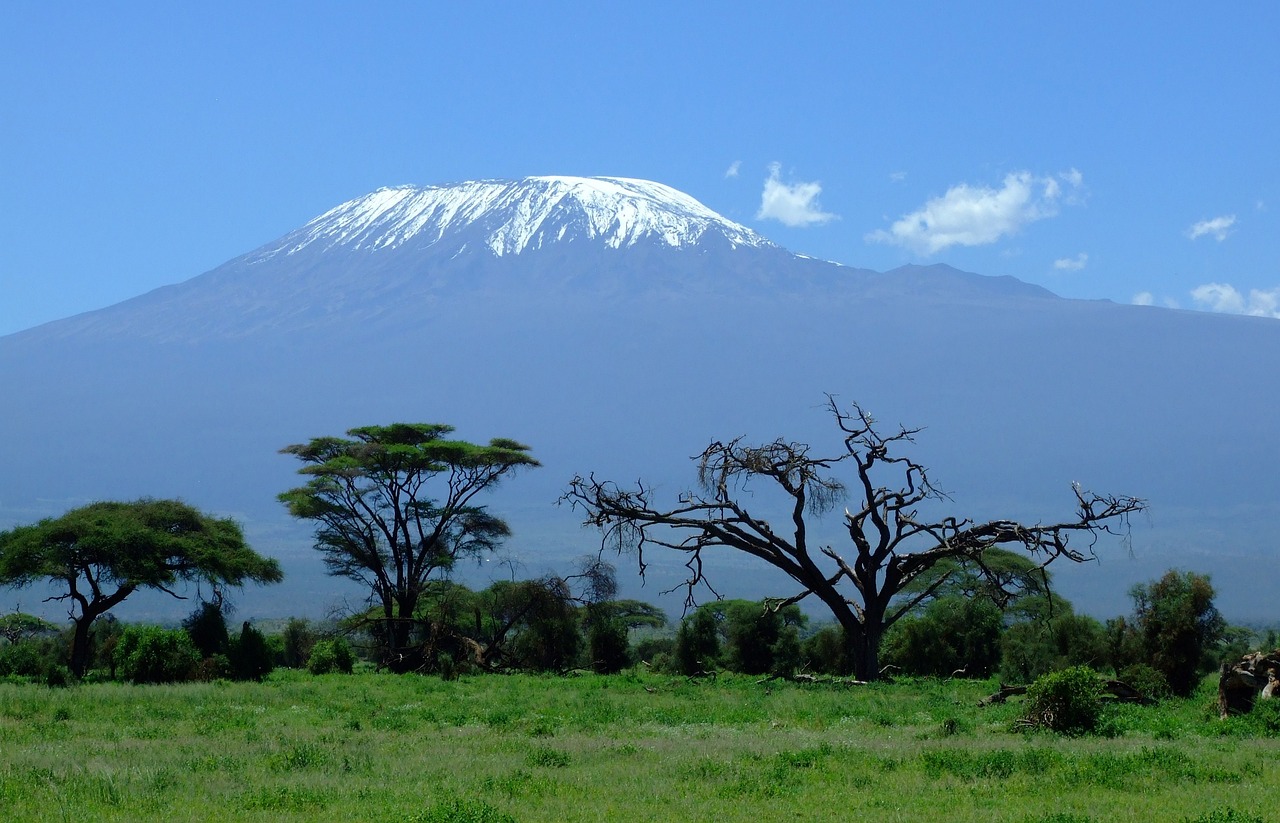
Climbing Kilimanjaro: A Deceptively Easy Expedition with Hidden Challenges
Climbing Mount Kilimanjaro, Africa’s highest peak, may seem like a straightforward endeavor, often touted as a non-technical climb accessible to adventurers of…


