


Category: Mountain Medicine
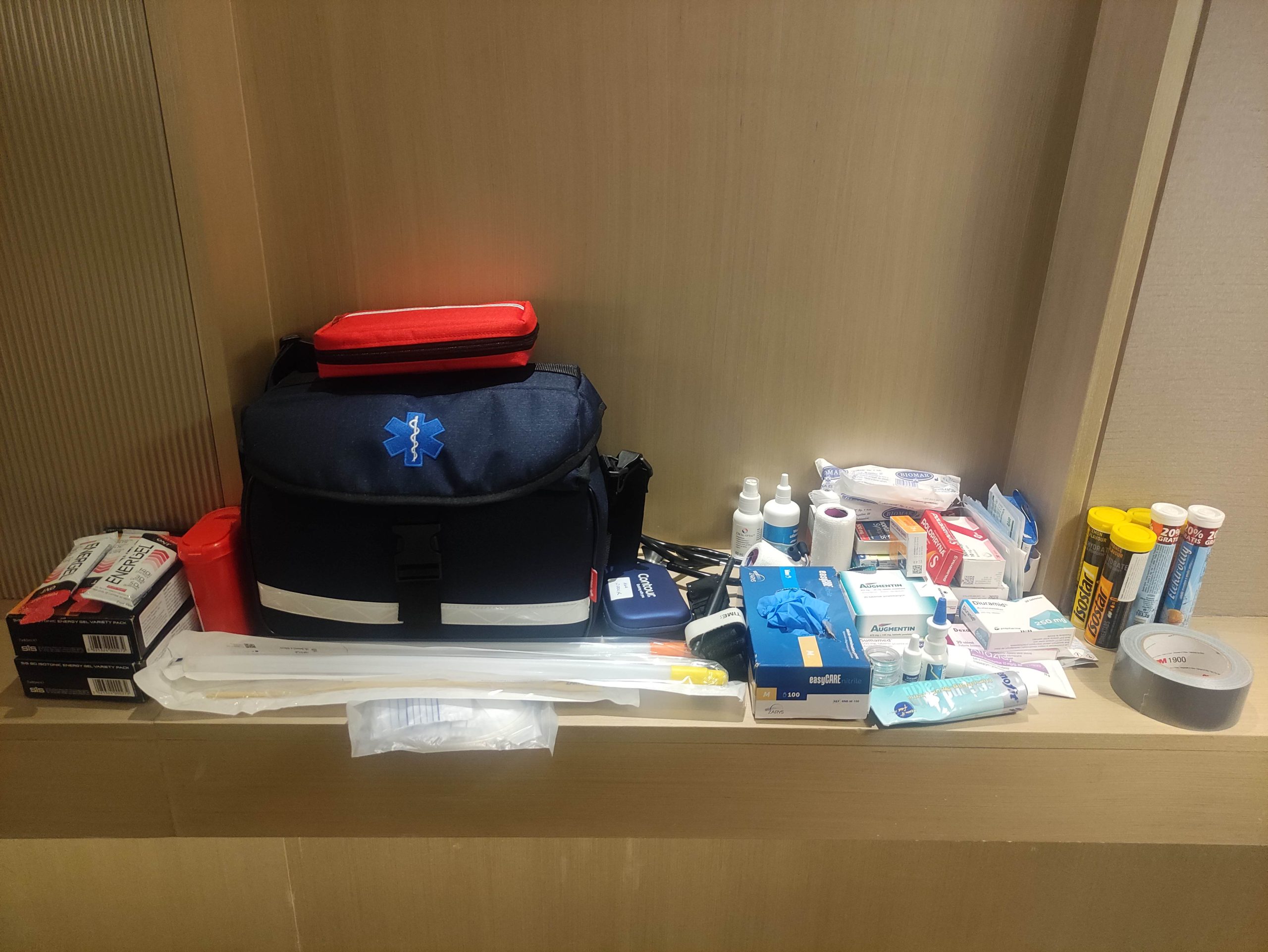
Acetazolamide — Mechanism of Action and Carbonic Anhydrase
How exactly does acetazolamide (Diamox/Diuramid) work? Carbonic anhydrase inhibition, metabolic acidosis, pharmacokinetics, side effects and interactions — a mountain medicine primer.

Frostbite — 4 Degrees, Symptoms & First Aid
Frostbite is one of the most common injuries mountain medicine deals with — and at the same time one of the easiest to miss in its early phase. Cold fingers that seem “just a bit numb” can progress within hours…

High Altitude Cerebral Edema (HACE): Understanding the Most Dangerous Form of Altitude Sickness
High Altitude Cerebral Edema (HACE) is the most perilous and advanced manifestation of altitude sickness. While its exact mechanism is not fully understood, it arises due to oxygen deprivation, leading to brain swelling and compression against the enclosing cranial bones.…

Acute Mountain Sickness – Symptoms, Prevention, and Practical Insights for Mountain Trekkers
Acute Mountain Sickness (AMS) is a frequently observed condition that tends to be mild and self-limiting, affecting those exploring mountainous regions. However, when disregarded or underestimated, it can escalate into severe issues like High-Altitude Cerebral Edema (HACE) and High-Altitude Pulmonary…

Understanding and Managing High Altitude Pulmonary Edema (HAPE) during Mountain Travel
High Altitude Pulmonary Edema (HAPE) is a potentially life-threatening condition that can occur when ascending to high altitudes, typically above 2,500 meters (8,200 feet). HAPE is the most common emergency at high altitudes, requiring quick action for recognition and treatment.It…


