


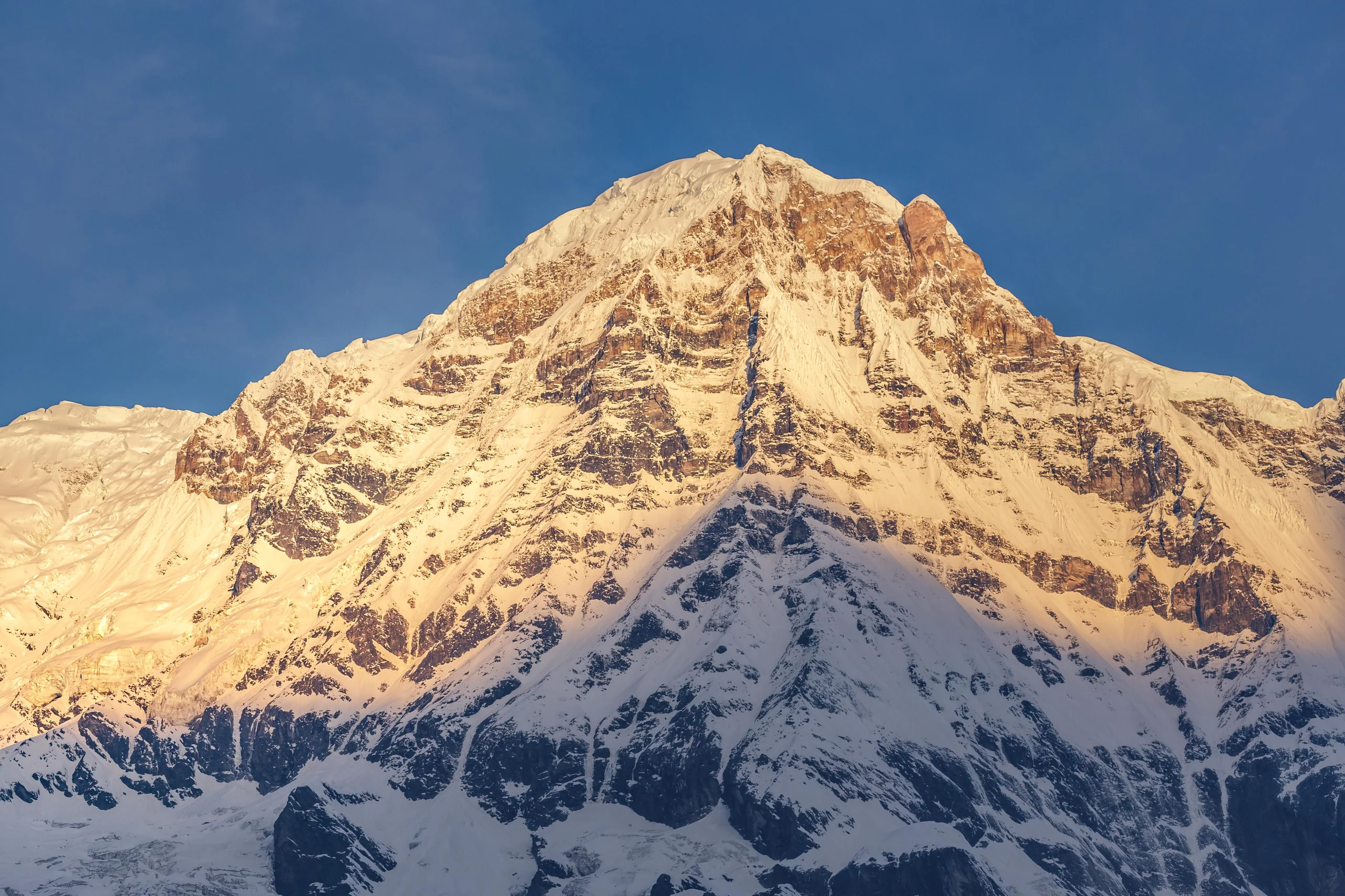
The Annapurna Circuit (Around Annapurna) is one of the most famous Himalayan treks and simultaneously a route with an exceptionally high AMS rate among commercial trails. The cause lies in one point — Thorong La Pass at 5416 m, which trekkers cross in a single long day after only 8–10 days of acclimatization. About 15–20 deaths per year, mostly from AMS/HAPE/HACE. In this brief: what you need to know medically, how to properly plan days before Thorong La, and when to ABANDON the pass crossing.
Annapurna Circuit by the numbers
- Highest point: Thorong La Pass 5416 m
- Standard duration: 12–21 days (increasingly shortened to 10 days via jeep roads)
- Classic start: Besisahar (820 m); finish Jomsom/Pokhara
- Average trekkers/year: 40,000+ (pre-COVID), currently ~25,000
- AMS risk: 50–70% of all trekkers, 5–10% HAPE, 1–2% HACE
- Mortality: 15–20 deaths/year, mainly on Thorong La or day after in Muktinath
- October 2014 disaster: 43 deaths in single snowstorm on Thorong La
Thorong La — dangerous geography
The problem with Thorong La is combination of three factors:
1. Extreme altitude for a “trekking pass”
5416 m is higher than Everest Base Camp (5364 m). No other commercial trekking in Nepal requires crossing such altitude in one day. At Thorong La Phedi (4450 m, last camp before the pass) you spend 1 night, then 4–5 AM start, 900 m elevation gain in 5–6 hours, descent 1700 m to Muktinath (3800 m).
2. Fast acclimatization profile
Classic plan reaches Manang (3540 m) on day 6–7 and Thorong La on day 9–10. Breaks the 300–500 m/day rule above 3000 m — daily overnight elevation often exceeds 600 m. Commercial agencies often shorten the plan to 8 days “for client convenience” and mortality rises in those groups.
3. Weather on the pass — no shelter
Thorong La is an open saddle on a completely exposed plateau. Snowstorms during sudden weather changes (typical October and April) turn the crossing into life-or-death. The October 2014 tragedy: unexpected Cyclone Hudhud brought 180 cm of snow in 24 h, 43 trekker deaths — mainly from hypothermia and getting lost. Since then local authorities introduced mandatory check-ins at Manang and Letdar.
Safe 14-day acclimatization plan
- Day 1: Kathmandu → Besisahar (820 m) by car/bus
- Day 2: Besisahar → Bhulbhule (840 m) or Chamje (1410 m)
- Day 3: → Dharapani (1860 m)
- Day 4: → Chame (2670 m)
- Day 5: → Pisang (3200 m)
- Day 6: → Manang (3540 m) — mandatory acclimatization day!
- Day 7: Manang — second day, excursion to Ice Lake (4600 m) or Gangapurna, return overnight
- Day 8: Manang → Yak Kharka (4020 m)
- Day 9: → Thorong Phedi (4540 m) or High Camp (4925 m)
- Day 10 (critical!): Thorong La Pass (5416 m) → Muktinath (3800 m) — 14–18 hours moving, +900 m elevation and −1600 m descent
- Day 11: Muktinath → Jomsom (2700 m)
- Day 12–14: Jomsom → Pokhara (usually by plane)
In Manang I recommend 2 acclimatization nights, not one. Difference in Thorong La success: 2 nights Manang gives ~85% successful crossings, 1 night — 65%. An extra day is cheap ($5 lodge) and can save the entire expedition.
When to ABSOLUTELY NOT cross Thorong La
- Moderate AMS symptoms in Thorong Phedi or High Camp in evening
- SpO₂ <75% at rest in High Camp
- Headache unresponsive to ibuprofen 400 mg
- Snowstorm or high winds forecasted for crossing day
- Felt temperature on pass below −25°C
- Visibility limited by fog/clouds below 200 m
- First AMS episode in life above 4000 m
- Without guide in questionable weather (2014 tragedy history)
Alternatives when Thorong La is closed due to weather: 1) extra day at High Camp and retry; 2) descent to Jomsom via the perimeter route (2–3 days longer). You’re not trapped, there’s always a way down. You don’t have to die on the pass to “complete the trek”.
Annapurna Circuit-specific medical kit
- Acetazolamide 250 mg × 20 tablets (prophylaxis + treatment)
- Dexamethasone tablets + ampoule (HACE rescue)
- Nifedipine retard 20 mg × 6 tablets (HAPE rescue)
- Ibuprofen 400 mg × 30, paracetamol × 30
- Pulse oximeter + laminated Lake Louise Score
- Azithromycin 500 mg × 6 (traveler’s diarrhea — classic in Manang lodges)
- Metronidazole 500 mg × 15 (giardia from stream water)
- Loperamide × 20
- ORS/electrolytes × 20 sachets
- Chemical warmers × 12 (Thorong La push, emergency reserve)
- Emergency blankets × 2 + 2-person bothy bag (pass crossing)
- Vitamin A nose ointment, SPF lip balm, SPF 50+ cream
- Buff — Khumbu cough / dust during descent
Frequently asked questions
Best time for Annapurna Circuit?
Two best seasons: March–May (pre-monsoon) and October–November (post-monsoon). October gives clearest sky (best views) but higher risk of abrupt weather changes on Thorong La (2014 history). March–April warmer but cloudier with occasional snow. Avoid monsoon (June–September — rain, flight cancellations, trail closed) and deep winter (December–February — Thorong La snowbound, lodges closed).
Does Thorong La require Diamox?
For most trekkers: yes, recommended. Acclimatization profile (overnight 4925 m at High Camp, ascent to 5416 m next day) exceeds the 300–500 m rule. Prophylactic dose 125 mg twice daily starting 24 h before ascending to 4000 m (i.e. in Pisang/Manang). If you planned natural acclimatization but in Manang your resting SpO₂ is <80% — start acetazolamide at therapeutic 250 mg twice daily.
Can I skip Thorong La?
Yes. Annapurna Base Camp trek (ABC) is completely independent — max altitude 4130 m, real Annapurna Sanctuary without ascending above 5000 m. No Thorong La, different views (Machapuchare wall). For anyone considering Annapurna Circuit with Thorong La concerns, ABC is the safer alternative. Length 7–10 days, ideal for 40+ or those without prior high-altitude experience.
Guide or solo?
Since 2023 in Nepal a guide is MANDATORY for all foreign tourists on all treks (after 2014 tragedy and subsequent incidents). Cost: ~25-30 USD/day for guide + ~18-20 USD/day for porter. Absolutely worth it. On Annapurna a guide not only prevents getting lost (crucial in Thorong La blizzards) but also knows lodges, weather conditions, and will call for help if needed.
What if I have AMS in Manang?
Extra day in Manang (same altitude overnight), hydration 4 L/day with electrolytes, paracetamol 1000 mg every 6 h, start acetazolamide 250 mg twice daily. If symptoms don’t resolve in 24–48 h or worsen (SpO₂ <80%, severe headache, vomiting) — DO NOT GO HIGHER. Descend to Chame (2670 m) or jeep to Besisahar. Thorong La isn't going anywhere — your health might. ABC trek or Marsyangdi valley descent is a better option then.
References
- Himalayan Rescue Association Manang Aid Post — annual reports on trekker health.
- Shlim DR, Houston R. Helicopter rescues and deaths among trekkers in Nepal. JAMA. 1989;261(7):1017–1019.
- Gaillard S, Dellasanta P, Loutan L, Kayser B. Awareness, prevalence, medication use, and risk factors of acute mountain sickness in tourists trekking around the Annapurnas in Nepal: a 12-year follow-up. High Alt Med Biol. 2004;5(4):410–419.
- Luks AM, Auerbach PS, Freer L, et al. Wilderness Medical Society Clinical Practice Guidelines: 2019 Update. Wilderness Environ Med. 2019;30(4S):S3–S18.
Disclaimer: Annapurna Circuit is a high-altitude trek with real mortality risk. Since 2023 Nepal requires a guide for foreign tourists. Emergency: Himalayan Rescue Association +977-1-4427044, Manang Aid Post (seasonally).