


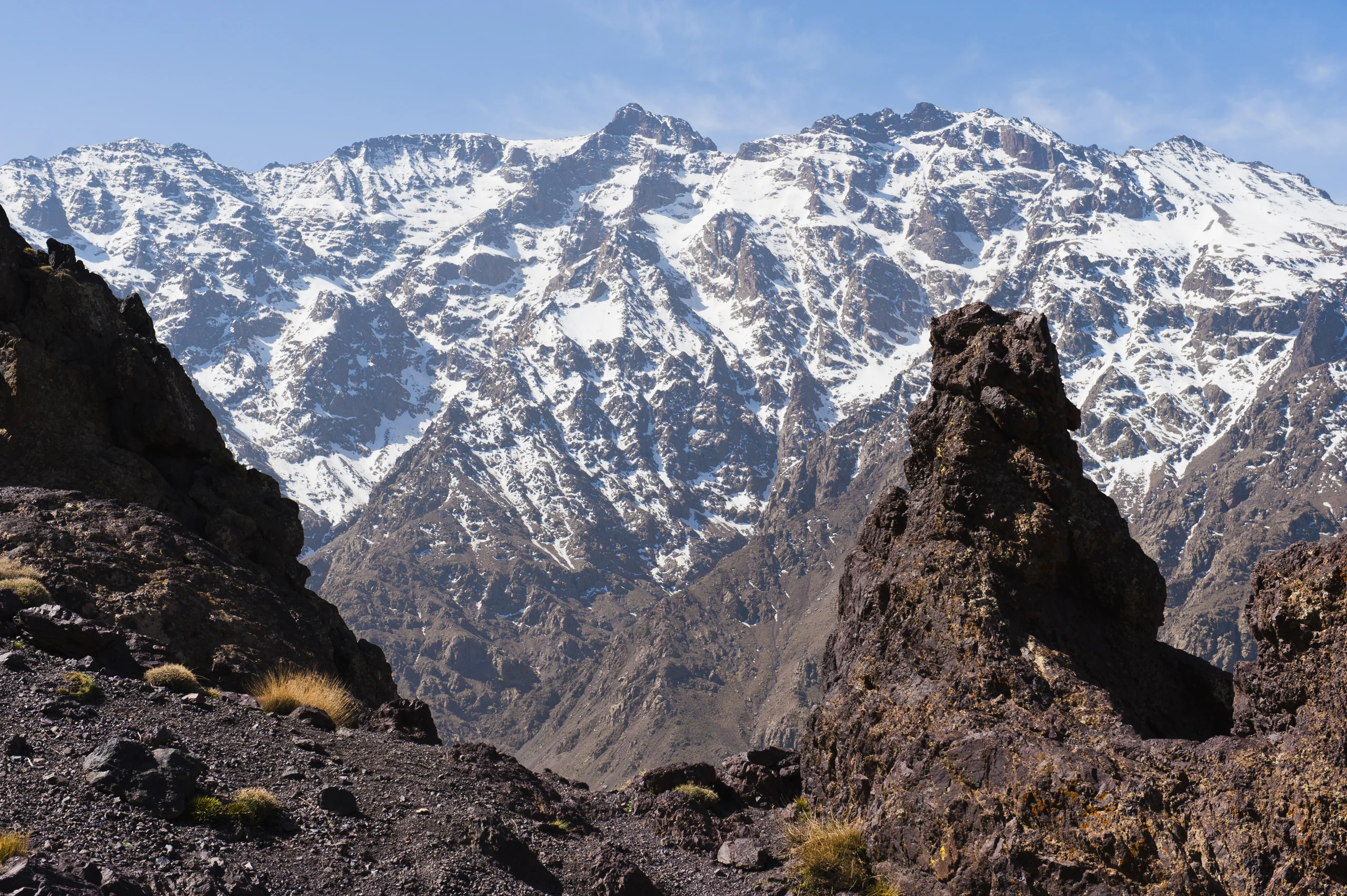
Vaccinations before Tanzania expedition (Kilimanjaro + safari) differ from Nepal in one key aspect: yellow fever is legally required when entering from yellow fever risk-zone countries, and the plan usually includes malaria prophylaxis — absent in Nepal plans. Plus standard Hep A+B, typhoid, rabies, meningococcal (critical in the so-called East African meningitis belt). This article: full 6-month pre-flight calendar, malaria prophylaxis, entry requirements for Tanzania.
In a nutshell — Tanzania calendar
- 6 mo before: start Hep A+B (TwinRix), yellow fever (Stamaril — 1 dose, lifetime validity)
- 3–4 mo before: second TwinRix dose, rabies (3 doses over 21 days)
- 2 mo before: typhoid, meningococcal ACWY
- 1 mo before: complete rabies, prescription for malarone/doxycycline
- 1–2 days before: start malaria prophylaxis (malarone) or 1–2 weeks before (doxycycline)
Yellow fever — legally required
Tanzania requires yellow fever vaccination certificate when entering from risk zone countries (all yellow fever zone countries in Africa + most of South America). Note: Poland is not on the risk list, so direct flight from Poland doesn’t require this certificate. If you fly via transit in a risk country (e.g. Addis Ababa), certificate required.
- Product: Stamaril (Sanofi) — one dose, lifetime protection (WHO changed guidelines in 2016 from 10 years to lifetime)
- ICVP certificate (International Certificate of Vaccination or Prophylaxis) — “yellow book”, legally required, valid from 10 days post-vaccination
- Who can vaccinate: only designated Ministry of Health centers — lists available in most countries
- Cost: ~$100
- Contraindications: severe egg allergy, age <9 mo, pregnancy (relative), immunosuppression
Medical note: even if not legally required (direct flight from Poland), yellow fever vaccination is strongly recommended medically for safari travel to Tanzania. In 2015 yellow fever outbreaks occurred in the region, incidence is rising.
Malaria — pharmacological prophylaxis
Tanzania has SIGNIFICANT malaria risk in most tourist regions (Arusha, Moshi, Serengeti/Ngorongoro safaris). Malaria does not occur above 1800 m, so the summit of Kilimanjaro is safe. But all approach days, safari and descent are in malaria zone.
Malarone (atovaquone + proguanil)
- Dosing: 1 tablet daily with food
- Schedule: start 1–2 days before entering risk zone, continue 7 days after leaving
- Efficacy: 95%+ against Plasmodium falciparum (dominant form in Tanzania)
- Side effects: mild — abdominal pain, nausea, vivid dreams; rarely
- Cost: ~$3-5/tablet × duration + 7 days. For 2-week trip: ~$90
- Protection: only during use — discontinuation = no protection
Doxycycline (alternative)
- Dosing: 100 mg daily with food
- Schedule: start 1–2 days before, continue 4 weeks after return
- Advantage: cheaper than malarone (~$15 for whole course)
- Disadvantages: photosensitivity (UV intense at Kilimanjaro!), contraindicated in pregnancy, children <8, interactions with calcium/magnesium/iron
- Bonus benefit: active against some travelers’ diarrhea causes and leptospirosis
Mefloquine (old, rarely used)
1 tablet weekly (250 mg), start 2–3 weeks before. Good efficacy BUT high psychiatric side effects (nightmares, depression, anxiety) — in Tanzania usually avoided due to risk of confusion with AMS on Kilimanjaro.
Other vaccines — quick overview
- Hep A + B (TwinRix) — same as Nepal; schedule 0/1/6 mo or 0/7/21 days + booster
- Typhoid — 1 dose Typhim Vi, minimum 2 weeks before
- Pre-exposure rabies — consider; dogs and monkeys in national parks are real risk in Tanzania
- Meningococcal ACWY — particularly recommended, Tanzania lies in meningitis belt (Senegal to Ethiopia band with meningococcal meningitis endemic)
- Cholera (Dukoral) — optional, mainly for monsoon safari
- Tetanus + diphtheria + pertussis (Tdap) — booster every 10 years
Total Tanzania package cost
- Minimum (Hep A+B, typhoid, yellow fever, malarone): ~$550–700
- Reasonable package (+ rabies, meningococcal): ~$900–1100
- Full package (+ cholera, Japanese encephalitis for monsoon safari): ~$1200–1500
Frequently asked questions
Do I need yellow fever certificate when flying directly to Tanzania from a non-risk country?
Not legally. If Poland/US/UK are not yellow fever risk zone countries, direct flight doesn’t require certificate. Transit via risk country (Addis Ababa, Nairobi, Johannesburg) — certificate required. Medically recommended regardless — Tanzania had yellow fever outbreaks in 2015, rising incidence.
Is there malaria risk on Kilimanjaro summit?
No. Malaria doesn’t occur above 1800 m due to temperature — Anopheles mosquitoes don’t survive. Kilimanjaro summit (5895 m) and all camps above Marangu Hut (2700 m) are safe. Risk applies to approach days in Arusha (1400 m), Moshi (800 m) and Ngorongoro safari (1800 m) / Serengeti (1500-1800 m). Take malaria prophylaxis on these days.
Malarone or doxycycline for Kilimanjaro?
Recommendation: malarone. Reason: UV on Kilimanjaro is extremely intense (UV index 11-14 at summit) — doxycycline has significant phototoxicity, risk of severe sunburn. Malarone doesn’t have this problem, better tolerated. Malarone downside: 3× more expensive. For 7-day Kilimanjaro + 3 days safari = ~10-14 days course = $30-60 difference. Worth it.
Do I need ICVP yellow book?
If arriving from risk country (most of Africa, parts of South America) — absolutely. ICVP certificate is issued by WHO-designated vaccination center after Stamaril shot. Valid from day 10 post-vaccination, then lifetime. Carry it with your passport on African trips. If direct flight from non-risk country — ICVP not legally required but good to have.
Any specific vaccines for Serengeti/Ngorongoro safari?
No specifics, but worth considering: 1) meningococcal ACWY (meningitis belt); 2) pre-exposure rabies (monkeys, foxes in parks); 3) typhoid (for long stays). Malaria prophylaxis mandatory. Tanzania requires yellow fever document check at borders if arriving from risk country.
References
- CDC Yellow Book 2024 — Tanzania travel recommendations.
- WHO International Travel and Health — Tanzania chapter.
- Freedman DO, Chen LH, Kozarsky PE. Medical considerations before international travel. N Engl J Med. 2016;375(3):247–260.
Disclaimer: Vaccination plan requires consultation with travel medicine physician 3–6 months before Tanzania departure. This article is orientational.