


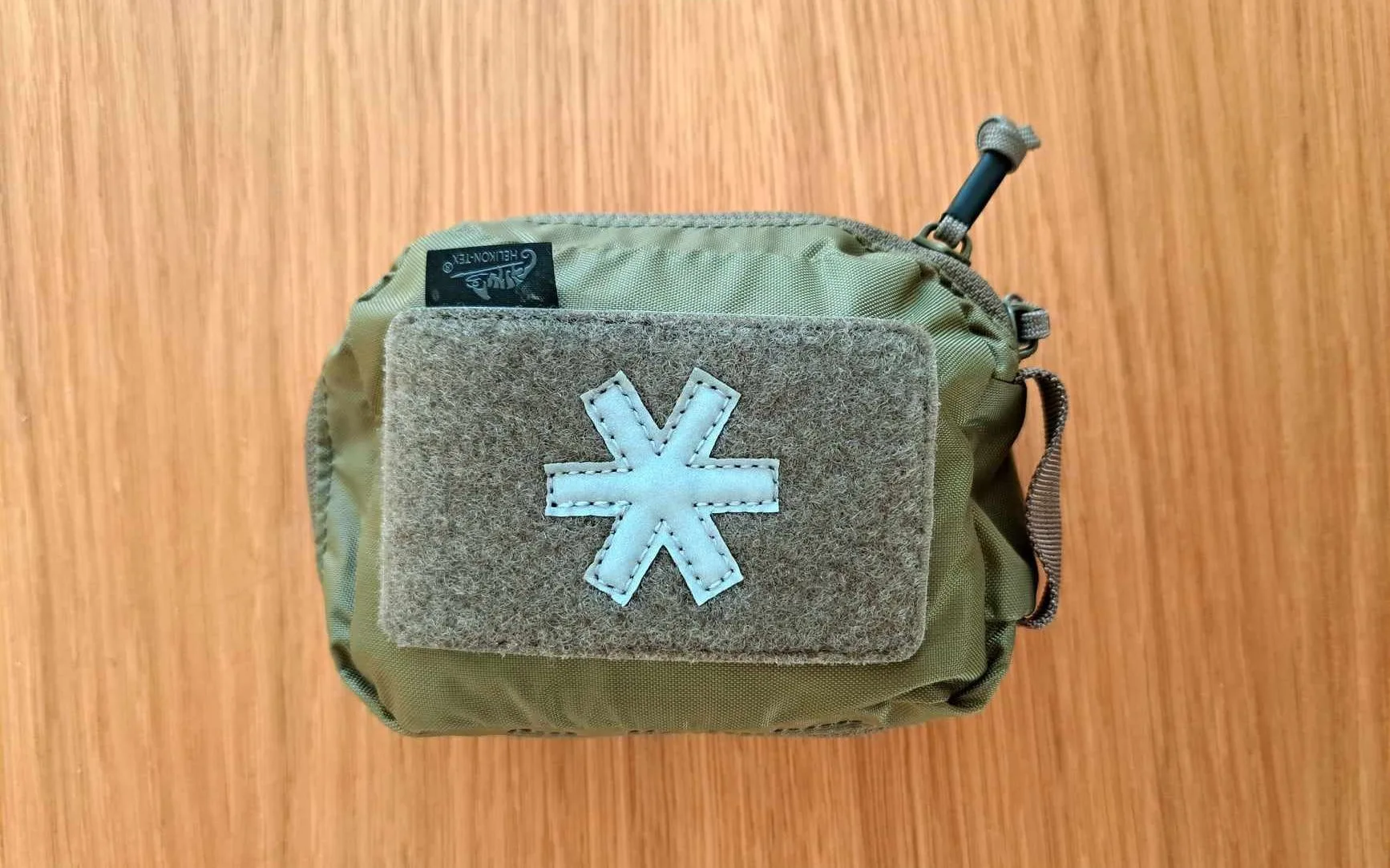
An expedition medical kit is an absolute must have in the backpack of anyone venturing beyond civilization — whether a one-day hike in the Tatras or a two-month Himalayan expedition. The rule is simple: a first aid kit is not an item of tourist equipment, it’s a piece of emergency equipment. That small pouch in the side pocket of your pack can decide the success of a trip — and in extreme situations, save someone’s life.
In this complete guide I’ll show you how to build an expedition medical kit using a modular approach I apply in practice. Each module has a dedicated function: trauma, pain, altitude, cold, GI, antibiotics. I’ll also cover a topic most guides skip: how to match the kit to the actual goal of the trip — the weight vs coverage vs duration balance. How much weight you carry, how many scenarios you cover, how many days of supply.
If you’re heading into high mountains (above 3000 m / 10 000 ft), access to medical help is limited, and a mountain rescue team may take hours, not minutes, to reach you. That’s why a proper expedition medical kit is effectively your personal first aid system — and for this reason I rarely recommend pre-packed kits from outdoor stores. Most of them are generic, with equipment inadequate for high altitude: too many band-aids, too little of what actually saves lives in the field. Instead of a ready-made kit, build one consciously for your specific goal.
TL;DR — key principles
- Never just one kit — you should carry at least two configurations: an “assault” kit (light, for summit day or one-day trekking) and a “base camp” kit (expanded, in base or main luggage).
- An expedition medical kit must match the destination — different drugs for Nepal (traveler’s diarrhea, altitude meds), for Kilimanjaro (malaria, altitude illness), for the Tatras (trauma, burns, tick bites).
- Gear must actually work, not be a prop — scissors must cut thick fleece, bandages must hold under load, tape must stick to damp skin. Kitchen-table testing before the trip is mandatory.
- Emergency blanket (NRC foil), buff, Israeli dressing and silver duct tape are the four items that in my opinion form the foundation of every kit, regardless of trip length.
- Most drugs in an expedition kit require a prescription — plan a visit with a mountain/travel medicine physician at least 4–6 weeks before the trip.
Expedition kit philosophy — weight vs coverage vs duration
When building a kit, you balance three variables: weight (everything in the pack weighs), coverage (how many medical scenarios you handle), duration (how many days of supply). The longer and more remote the expedition, the more the compromise shifts toward “coverage” and “duration” — always at the cost of weight.
My recommendation: two kits per trip. An “assault kit” weighs 300–500 g and contains only what’s needed for 24–48 h of self-sufficiency (basic analgesics, dressings, buff, NRC foil). A “base kit” weighs 1–3 kg and has everything for days to weeks — antibiotics, altitude emergency drugs, gear for serious trauma. On summit day or a one-day trek you carry the assault kit, leaving the base kit in camp.
An important rule for an expedition medical kit: it must be waterproof. Pack it in a silicone pouch or dry bag — the worst thing that can happen is a soaked roll of tape and a mushy antibiotic tablet in the moment they’re most needed. Additionally, a laminated instruction card in English is essential when your field helper is a Sherpa, local guide, or teammate who doesn’t speak your language.
Module 1: Dressings and rescue gear — what saves most often
Dressings are the foundation of a tourist kit, because minor trauma (blisters, cuts, sprains) is statistically the most common medical issue on a trek. Minimum set:
- Elastic bandages 6 cm × 4 m and 8 cm × 4 m — for fracture stabilization, sprains, compression. Two sizes because you never know.
- Israeli-type pressure dressing — for hemorrhage. Invaluable on alpine and climbing trips.
- Sterile gauze 10 × 10 cm, 5–10 pieces.
- Fabric tape roll and hydrocolloid blister plasters (e.g. Compeed) — hydrocolloid works wonders for blisters on long treks.
- Assorted plasters, including waterproof.
- Lister scissors — specially curved, cut dressing or clothing without injuring skin. The single most important tool in a minimum kit.
- Tweezers for removing ticks, splinters, foreign bodies.
- Wound antiseptic — single-use alcohol pads or octenidine. Octenisept bottle for the base kit.
- Disposable nitrile gloves — minimum 2 pairs. Barrier for you and the casualty.
- Injection needle (for draining blisters).
- Silver duct tape — a roll or several meters wrapped around a bottle. Universal: gear repair, dressing fixation, improvised splints.
- Emergency blanket (NRC foil) — 2 pieces. One for you, one for the casualty.
- 2-person emergency shelter (bothy bag) — winter must have. Not strictly first aid gear, but without it hypothermia in the mountains is a matter of hours.
- Triangular bandage — classic rescue equipment. Used as sling, tourniquet or wound cover. A buff on the neck/face additionally protects against dust and sun.
- Pocket CPR mask with one-way valve — essential for rescue breathing, protects you from contact with casualty’s secretions.
- Chemical light sticks — 2 pieces. For signaling, marking the accident site for a helicopter, working at night without draining the headlamp.
- SAM Splint or similar moldable splint — for stabilizing fractures and dislocations. Folds to book size but enables splinting limbs or even a cervical collar.
- Rescue/survival blanket (gold-silver heat-reflective) — larger and more durable than standard NRC foil, for fully wrapping a casualty.
A rule from mountain medicine practice: silver duct tape beats every “fancy” bandage. Don’t be sold expensive specialist dressings if you can’t apply them quickly under pressure. Basic elastic bandage, tape roll and silver tape — that’s the set you improvise 90% of field problems with. Those “fancy” bandages with GPS and thermometer — leave them to the marketing. Always carry disposable gloves — not just for dressing wounds but as a barrier when handling a hypothermic casualty or someone with bleeding.
Module 2: Analgesics and anti-inflammatories
In expedition conditions pain is not just discomfort — it weakens concentration and decision-making, which ultimately threatens the safety of the group. Basic set (amounts for 2 people × 14 days):
| Drug (INN) | Single dose | Max per day | Indication |
|---|---|---|---|
| Paracetamol (acetaminophen) | 500–1000 mg | 4 000 mg | Pain, fever, safe at altitude |
| Ibuprofen | 200–400 mg | 1 200 mg | Pain, inflammation, bruising |
| Metamizole | 500–1000 mg | 3 000 mg | Severe pain, colic |
| Ketoprofen | 50–100 mg | 200 mg | Stronger than ibuprofen, joints |
| Tramadol (Rx) | 50–100 mg | 400 mg | Severe pain, opioid — base kit only |
Practical note: ibuprofen is avoided in altitude sickness as it worsens fluid retention — in AMS paracetamol is preferred. Tramadol is an opioid and requires a prescription, plus special customs paperwork in Nepal, Tanzania, Indonesia.
Module 3: Altitude medicine — Diamox, Dexamethasone, Nifedipine
This module is essential for trips above 3000 m and is absolutely critical. Altitude sickness symptoms (headache, nausea, insomnia, dizziness) appear in most lowland dwellers from 2500–3000 m and without proper prevention can escalate into life-threatening high altitude cerebral or pulmonary edema. Three drugs must be in your high-altitude kit — each with a distinct purpose:
- Acetazolamide (Diamox, Diuramid) — accelerates acclimatization via modulation of acid-base balance. Preventive dose: 125 mg twice daily starting 24 h before reaching new altitude. Therapeutic dose for AMS: 250 mg twice daily. Full dosing details in the separate Diamox article.
- Dexamethasone — a potent glucocorticoid, emergency drug for HACE (high altitude cerebral edema). Emergency dose: 8 mg IM or PO, then 4 mg every 6 h. Note: dexamethasone does not replace descent — it’s only a stabilizer allowing safe evacuation downward.
- Nifedipine — emergency drug for HAPE (high altitude pulmonary edema). Dose: 10 mg PO, then 20 mg sustained-release every 12 h. Lowers pressure in the pulmonary circulation. Requires blood pressure monitoring.
Additionally: pulse oximeter (SpO2) with spare batteries, Lake Louise Score on a laminated card, bottled oxygen with mask for major expeditions (Himalaya, Aconcagua, Denali). Call for help if symptoms of severe altitude illness appear (HACE, HAPE) — every minute of delay worsens prognosis.
Module 4: Cold module — frostbite, hypothermia
- Chemical hand/foot warmers — 4–8 pairs per week of winter trip.
- SPF 50+ sunscreen and high-SPF lip balm — paradoxically you are more exposed to sunburn at altitude in winter than at sea level in summer.
- Aloe gel or vitamin ointment for sun- and windburn.
- Aspirin (75–150 mg) — in frostbite treatment. Inhibits platelet aggregation and improves microcirculation in damaged tissue.
- Reusable chemical hot packs — for hypothermia wrap in extreme conditions.
- Spare socks, dry gloves — not strictly part of the kit, but pack them with the same rescue bag.
Module 5: Expedition antibiotics
In expedition settings bacterial infections can progress faster than “at home” — due to exhaustion, dehydration, hypoxia and exposure to pathogens your immune system isn’t prepared for. Standard kit covering 80% of situations:
- Amoxicillin + clavulanic acid (Augmentin) — broad spectrum, first-line for respiratory, urinary, skin infections. 625 mg three times daily or 1000 mg twice daily for 5–7 days.
- Azithromycin — atypical pneumonia, resistant GI infections. 500 mg once daily for 3 days.
- Metronidazole — anaerobic infections, giardiasis, amoebiasis (essential in Nepal, Tanzania, Peru). 500 mg three times daily for 5–7 days.
- Ciprofloxacin — second-line for traveler’s diarrhea, urinary tract infections. 500 mg twice daily for 3–5 days.
For tropical destinations (Africa) — antimalarial drugs per physician’s recommendation (atovaquone+proguanil, mefloquine, doxycycline depending on region) and a mosquito net.
Module 6: GI tract
- Loperamide — symptomatic diarrhea treatment, 2 mg after each loose stool, max 16 mg/day. Caution: do not use for bloody diarrhea or with fever.
- Electrolyte sachets (ORS, oralyt) — absolute priority for trips where you drink large amounts of water. Drinking plain water only risks hyponatremia.
- Simethicone — for bloating, which at altitude (gas in the gut expands) becomes a real problem.
- Bisacodyl — laxative for constipation, common with dehydration and low-fiber diet.
- PPI (omeprazole/pantoprazole) — 20 mg once daily for reflux and stomach complaints at altitude.
Module 7: Eyes, ears, airways — snow blindness
In higher mountains eyes are especially exposed to UV — reflected from snow and glaciers it can cause snow blindness, a radiation burn of the conjunctiva and cornea. Heat stroke also happens, especially on lower sections of tropical expeditions (lower Kilimanjaro, Khumbu valley in summer) — so electrolytes and anti-nausea meds in the kit are useful.
- Lubricating eye drops (with hyaluronic acid/panthenol) — essential in the dry mountain climate.
- Antibiotic eye drops (e.g. chloramphenicol) — for snow blindness or conjunctivitis.
- Lubricating eye ointment (corneregel) — overnight after long days in sun/wind.
- Nasal drops with hyaluronic acid and panthenol — against nosebleeds from dry air.
- Vitamin A nasal ointment — I highly recommend, it makes a real difference on Himalayan trips.
- Throat lozenges (with cetylpyridinium chloride) — large quantity. On the Everest Base Camp expedition we used around 400 lozenges.
- Dry cough syrup/tablets (dextromethorphan, codeine) — “Khumbu cough” is a plague of Nepal expeditions.
- Ear drops with carbamide peroxide — for earache.
Module 8: Emergency, specialist
- Adrenaline autoinjector (EpiPen) — for anaphylactic shock. Check expiration date.
- Glucagon — for diabetics in the group, for hypoglycemia.
- Sedatives/sleeping pills (hydroxyzine, zolpidem) — consider for long trips and interpersonal conflict in small groups.
- Energy gel — 2–4 pieces, for extreme exhaustion or hypoglycemia.
- Needles + syringes + IV cannulas (base kit with doctor only) — for IV fluids in severe dehydration.
- Digital thermometer — ideally with tympanic and rectal measurement (for hypothermia).
Packing, storage, customs
How to pack a tourist first aid kit compactly
Tablet blisters take a lot of space — so a good practice is cutting blisters into single tablets and repacking them into a pill organizer. Mark each tablet with a number or color, and on a laminated card write the decoding (e.g. “L1 = Paracetamol 500 mg”). This way your assault kit weighs half as much as it would with original packaging.
Customs warning: for air travel, carry drugs in original packaging with clear labeling — only at destination do you transfer to the organizer. Otherwise you risk confiscation at customs in Nepal, Tanzania, India, Indonesia.
Medication storage in cold
Most drugs tolerate -10°C to +30°C without losing efficacy, but some are sensitive: insulin, adrenaline, and some liquid antibiotics require special conditions. On winter trips pack drugs close to the body (inner jacket pocket), not in the backpack. During summit day the assault kit should be “on the body”, not in an outer side pocket.
Prescriptions — how to organize
Most expedition drugs require a prescription: antibiotics, Diamox, dexamethasone, nifedipine, tramadol, EpiPen. Schedule a visit with a mountain/travel medicine physician 4–6 weeks before departure to leave time for any vaccinations and specialist consultations. Travel medicine clinics exist in most major cities; look for physicians certified in wilderness or travel medicine.
Kit vs destination — examples
One-day hike in the Tatras
Minimum: plasters, bandage, NRC foil, scissors, tweezers, gloves, paracetamol, ibuprofen, electrolytes, SPF cream, buff. Weight: 200–300 g.
Week-long alpine trip (4000+ m)
Add to minimum: Diamox, dexamethasone, nifedipine, pulse oximeter, ciprofloxacin, azithromycin, metronidazole, loperamide, eye/nose drops, throat lozenges. Weight: 600–900 g.
Two-month Himalayan expedition (Everest BC, Annapurna)
Full set: assault kit + base kit + bottled oxygen. Antibiotics doubled (for 2 infection cycles). Abundant dressings. IV needles + fluids. Glucagon. EpiPen. Thermometer. Strong analgesic (tramadol). Antimalarials in endemic areas. Weight: 2.5–4 kg for the whole expedition (in the doctor’s bag).
Most common kit-building mistakes
- Prop equipment — discount-store scissors, 5-year-old plasters, damp dressings. This is common in the field. Buy tested gear and use it annually in practice (e.g. first aid courses).
- Drugs without dosing — you toss tramadol into the organizer and under pressure can’t remember whether the dose is 50 mg or 100 mg. A laminated dosing card is mandatory.
- Antibiotic “for everything” — amoxicillin doesn’t cover giardiasis or chlamydia. One antibiotic = one spectrum. You need 3–4 different ones in a base kit.
- Forgotten electrolytes — people pack 10 different drugs and have no electrolyte sachets. Meanwhile dehydration + hyponatremia is the most common “non-medical” problem in the mountains.
- No equipment beyond drugs — pulse oximeter, laminated scales (Lake Louise, AVPU), thermometer. These are diagnostic tools without which drugs are “blind shooting”.
- Last-minute packing — you build the kit weeks in advance, check expiration dates, test gear. Check your kit NOW, not the night before departure.
My experience — Everest Base Camp 2022 medical kit
As expedition doctor for Elite Exped at Everest Base Camp I packed the medical kit into two transport cases totaling about 25 kg — a full expedition set covering from mild diarrhea to cardiac arrest. In practice 80% of what we used over two months fit into five “assault” kits I distributed to team members. The rest was a reservoir for serious events, which — fortunately — was barely touched.
Most used drugs in base camp: throat lozenges (about 400 pieces!), Diamox preventively and therapeutically, electrolytes, paracetamol. Of gear: the pulse oximeter worked daily for every team member, a buff was mandatory. Antibiotics were used in one severe pneumonia case, altitude emergency drugs — twice in AMS events.
In my opinion the hardest part of packing a kit is not the drug list, but anticipating scenarios. What do you do when you’re on a 3000 m ridge and a teammate loses consciousness? How do you handle an open fracture 8 hours from the nearest shelter? Do you have a plan for heat stroke in a Himalayan oasis (yes, it happens, counterintuitively)? Only the answers to those questions dictate the contents of your kit — not a ready-made list off the internet.
Frequently asked questions
What should a minimum mountain first aid kit contain?
A minimum hiking kit for a one-day mountain trip should contain: tape roll and assorted plasters, 8 cm elastic bandage, sterile gauze, Lister scissors, tweezers, disposable gloves, emergency blanket (NRC foil), paracetamol, ibuprofen, electrolyte sachets, SPF 50 sunscreen, and a buff. Total weight: 200–300 g.
What drugs to take for high altitude above 3000 m?
Above 3000 m add the altitude module to the base kit: acetazolamide (Diamox, Diuramid) 125–250 mg blister pack, dexamethasone 4 mg tablets as HACE emergency drug, nifedipine 10 mg and sustained-release 20 mg as HAPE emergency drug, pulse oximeter with spare batteries, and a laminated Lake Louise Score card for daily symptom assessment. For trips above 5000 m additionally: broad-spectrum antibiotics (amoxicillin+clavulanate, azithromycin, metronidazole) and traveler’s diarrhea medications.
What’s different in a kit for winter or alpine trekking?
A winter/alpine kit adds: 2-person bothy bag (emergency shelter), chemical hand/foot warmers, aspirin for frostbite (75–150 mg), aloe gel for sun/wind burns, spare gloves and socks, higher SPF lip balm, specialty glacier sunglasses, reusable hot packs for hypothermia wrap. Weight of elastic bandages and dressings increases (fracture risk from falls on ice), while altitude pharmacology decreases if staying below 3000 m.
In which countries is a first aid kit mandatory?
In most European countries possession of a kit by tourists is not a legal obligation, but in some national parks (Nepal, Tanzania, Peru) the expedition agency is required to provide a basic kit for the group. When crossing borders with prescription drugs, carry them in original packaging with an English-language prescription note from your physician. In some countries (Singapore, Japan, Indonesia) strong analgesics and sedatives require import permits — check embassy regulations before departure.
How long are drugs in an expedition kit valid?
The expiration date guarantees full efficacy until the printed date. Most tablets (paracetamol, ibuprofen, antibiotics) retain 90% activity for another 1–2 years past date if stored dry and cool — confirmed by the US FDA Shelf Life Extension Program. Exceptions: insulin, adrenaline, some liquid antibiotics — these must be replaced by the date. Check your kit every 12 months, replace anything expiring within 6 months before the next trip.
Sources
- Auerbach PS (ed.). Wilderness Medicine, 7th edition. Elsevier, 2016 — chapters on field medicine, expedition medical kit, pharmacology.
- Ward M, Milledge JS, West JB. High Altitude Medicine and Physiology, 5th edition. CRC Press — chapters on altitude pharmacology.
- Hidalgo J. et al. High Altitude Medicine: A Case-Based Approach. Springer, 2023 — clinical cases of emergency drug use.
- Luks AM, Auerbach PS, Freer L, et al. Wilderness Medical Society Clinical Practice Guidelines for the Prevention and Treatment of Acute Altitude Illness: 2019 Update. Wilderness Environ Med. 2019;30(4S):S3-S18.
- CDC Yellow Book 2024 — Health Information for International Travel, chapter “Self-Treatable Diseases”.
Medical disclaimer: This article is for informational and educational purposes. It does not replace consultation with a travel/mountain medicine physician or individual drug selection matched to your health and trip goal. Most expedition drugs require a prescription — plan your medical visit at least 4–6 weeks before departure.